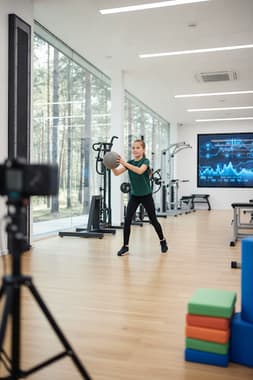
Why Movement Literacy is the Foundation of a Healthy Future
Written by
Dr. Simple Bhadania
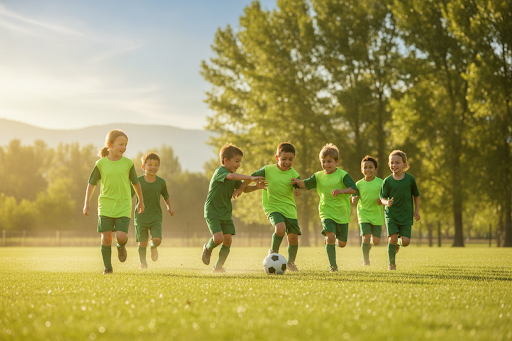
Physical literacy is as foundational to a child’s development as language and mathematics. When children master essential motor skills during developmental windows—such as balance, spatial awareness, dynamic stability, and coordination—they develop the neuromuscular confidence needed for a vibrant, active life.
The Neurological Connection Between Play and Brain Development
Modern clinical neuroscience demonstrates that varied, multi-planar movement directly enhances neuroplasticity in developing brains. Complex motor activities stimulate executive function, working memory, and attention span in academic environments.
"When a child learns to trust their physical capabilities, they build emotional self-efficacy that extends far beyond sports into classrooms and social relationships." — Dr. Simple Bhadania
Key Fundamental Movement Skills Every Child Needs
- Locomotor Skills: Running mechanics, jumping, hopping, and lateral deceleration.
- Object Control: Throwing, catching, striking, and hand-eye tracking.
- Body Management: Static and dynamic balance, core bracing, rolling, and safe landing techniques.
Actionable Advice for Parents at Home
Rather than early sports specialization, prioritize multi-sport sampling and free, unstructured play. Encourage daily active time, reward effort and progress over winning, and make physical movement an engaging family ritual.
Ready to transform your child's fitness?
Explore our age-specific movement programs and clinical assessments.